403 tours · page 3 of 17
Adventure Tours in Albania and the Balkans
Canyoning, rafting, zip-lines and multi-activity days across the Balkan interior, run by operators who work these routes weekly.
Adventure Tours
403 listed, 24 to a page, ordered by rating and then by price.
-

Explore the Thrills of Nevidio Canyon: 4 hour Canyoning Adventure
Our canyoning activity in Nevidio Canyon offers a unique flavor that sets it apart from other experiences. It combines the thrill of exploration with the serenity of untouched nature. As you navigate…
- Duration
- 6 hours
- From
- On request
- Operator
- Trend Adventures
- Rating
- 5.0 (19)
-

Visit Benje Thermal Baths & Kelcyra Waterfall & Langarica Canyon
Depart from Saranda your first stop is at the Cold Springs of Tepelena, a refreshing natural spot where crystal-clear water flows directly from the mountains. Continue to the famous Benje Thermal Ba…
- Duration
- 6-8 hours
- From
- €65
- Rating
- 5.0 (19)
-

Dajti Mountain & Shengjergj Waterfall Day Trip on Land Rover
Join us for a 6-7 hour adventure from Tirana in a 4WD Land Rover (up to 6 passengers). First, visit the Waterfall Restaurant in Shengjergj for a short break before a scenic 20-30 minute hike to the b…
- Duration
- 7 hours
- From
- €79
- Rating
- 5.0 (18)
-

Explore, Swim & Float in Osumi Canyon
Discover the Osumi Canyon in a unique way — by swimming, floating, and exploring its hidden corners. Our local guides lead you through crystal-clear waters, small hikes, and optional cliff jumps for…
- Duration
- 3 hours
- From
- €30
- Rating
- 4.8 (19)
-

Self – Guided Peaks of the Balkans tour in 10 days
The Peaks of the Balkans are a collection of beautiful and spectacular mountains shared between Albania, Kosovo and Montenegro. In 10 days, you will cross the border multiple times, go from one extra…
- Duration
- 240 hours
- From
- €1260
- Rating
- 5.0 (16)
-

Albanian Riviera in 3 Days;Semi–Private Tour with Tour Leader&Car
This 3-day tour is designed for the ones who want to visit the most beautiful beaches of Southern Albania in just a few days. Drive along the coastline known as the Albanian Riviera, be amazed by the…
- Duration
- 72 hours
- From
- €807.7
- Rating
- 5.0 (16)
-

Blue Eye Motorbike Tour / Pillion Ride
Motorbike Guided Tour to Blue Eye starting from Saranda in brand new and comfortable motorbikes. Experience an unique travel experience driving your own motorbike behind our trained and skilled guid…
- Duration
- 3-4 hours
- From
- €63.2
- Rating
- 5.0 (16)
-

Canyoning in Nevidio Canyon
Experience the latest discovered canyon in Europe and most attractive canyon of Montenegro. Have an unforgettable adventure in the untouched wild nature of the Durmitor National Park.
- Duration
- 4 hours
- From
- €145
- Rating
- 4.8 (18)
-

Tirana Semi-Private Hiking Tour of Pellumbas Cave & Erzeni Canyon
If you are visiting Tirana for a few days and you want to explore the wild beauty of Tirana’s surroundings, the best thing to do is to jump into this day tour. Don’t forget to wear your comfortable w…
- Duration
- 6-8 hours
- From
- €141.56
- Rating
- 4.9 (16)
-

Theth Albania Jeep Day Tour
Explore the village of Theth and surrounding areas by 4x4 jeep and on foot with a small group. Drive through the village streets in comfort and stop along the way to visit the Kulla (tower) of Theth,…
- Duration
- 8 hours
- From
- €129
- Rating
- 4.6 (19)
-

Berat Guided Trip to Mount Tomorr and Bogove Waterfall
Join us on an exciting 4×4 drive through the holy mountain and discover the fascinating history and culture of the Bektashi, a Sufi Muslim sect. Our expert guide will pick you up from your hotel and…
- Duration
- 8 hours
- From
- €89
- Rating
- 4.9 (15)
-

Day Tour to Petrela Castle and Zip Line Albania Adventure
What sets my tour apart is the unique blend of adventure, history, and local culture. Begin with an exhilarating ride on the longest zipline in the Balkans, soaring over the Erzen River at up to 80 k…
- Duration
- 3 hours
- From
- €53
- Rating
- 5.0 (14)
-

Saranda, Blue Eye and Ksamil Tour From Tirana and Durrës
Discover the wonders of southern Albania with an unforgettable journey through its stunning landscapes and rich heritage. Immerse yourself in the serene beauty of The Blue Eye, a natural spring with…
- Duration
- 12-14 hours
- From
- €65
- Rating
- 4.4 (20)
-

Semi-Private Tour; Theth, Valbona & Koman Lake in 4 Days
The tour to Theth National park, Valbona Valley National Park, Koman Lake & Shala river is a hiking and adventure tour program that offers its participants a combination of wild nature, unforgettable…
- Duration
- 96 hours
- From
- €719
- Rating
- 5.0 (13)
-

From Tirana/Durres/Golem: Shala River and Komani Lake Day Trip
Start your adventure with a pickup from your accommodation in Tirana. Head towards the Shala River, passing through charming Albanian towns. Admire the picturesque landscapes on the 3.5-hour drive. T…
- Duration
- 13 hours
- From
- €42
- Rating
- 4.9 (14)
-

Blue Eye And Lekuresi Castle, 4-Hour Small Group Tour from Ksamil
Embark on a captivating journey with the Blue Eye and Lekuresi Castle Tour organized by us. Begin your day exploring the mesmerizing Blue Eye, a natural spring of stunning azure waters surrounded by…
- Duration
- 3-4 hours
- From
- €60
- Rating
- 4.7 (15)
-

Semi – Private Hiking Tour of Theth & Blue Eye in 2 Days
The two-day tour of Theth is a special interest hiking tour program exclusively designed to offer participants the best combination of pristine wild nature, an unforgettable view of the heart of the…
- Duration
- 48 hours
- From
- €358.98
- Rating
- 5.0 (12)
-

Permet Rafting Explore the Wild Vjosa River
Rafting on the Vjosë River in Përmet offers a unique experience, combining adventure with breathtaking natural scenery. Our professional, trained guides ensure a safe and unforgettable adventure, nav…
- Duration
- 3 hours
- From
- €38
- Rating
- 5.0 (12)
-

Theth Albanian Alps and Blue Eye Day Tour
Discover the Hidden Beauty of Theth. A Day Tour to the Albanian Alps Embark on an unforgettable journey to Theth, a stunning village nestled in the Albanian Alps. Enjoy a scenic drive with stops in S…
- Duration
- 11-13 hours
- From
- €50
- Rating
- 5.0 (12)
-

Private Climbing Belayer Experience
This activity is in a unique place where combine Mountain, Lake, Beatufiul view and Fresh Air. Is a perfect way to spent your day.
- Duration
- 6 hours
- From
- €125
- Rating
- 5.0 (12)
-

Semi-Private Tour;Peaks of the Balkans-Theth,Valbona & Koman Lake
Join this captivating five-day tour through Northern Albania, starting from Tirana or Shkodra. We will experience the breathtaking landscapes of the Albanian Alps, explore the rural charm of Theth Na…
- Duration
- 120 hours
- From
- €897.44
- Rating
- 5.0 (12)
-

Southern Albania: Culture and nature adventure
Discover Albania’s hidden paradise, where breathtaking nature meets rich culture. This journey takes you from stunning UNESCO sites to the untouched beauty of southern Albania’s countryside, offering…
- Duration
- 168 hours
- From
- €1200
- Rating
- 4.9 (12)
-

Tandem paragliding Albania (Llogara)
you will fly with a Pianist, he choise to learn this sport out of albania, and to bring in Albania all his experience
- Duration
- 1 hour
- From
- €116.44
- Rating
- 4.0 (22)
-

Canyoning tour in Nevidio Canyon
Canyon Nevidio in Montenegro is a rare natural phenomenon, which will not leave indifferent even the most seasoned adrenaline lovers. It's located below the slopes of Durmitor, at the narrowest part…
- Duration
- 4 hours
- From
- €30
- Rating
- 5.0 (11)
Showing 0 of 403tours
Run adventure tours tours? List them on AlbaniaVisit.
Reach 20,000+ travellers a month planning their Albania trip. Keep 75% of every booking — 25% commission against Viator's and GetYourGuide's 30%, paid in euros to your bank weekly, no listing fee.
Other kinds of day out
-
Hiking & Trekking
Day walks and multi-day treks through the Albanian Alps, the Dinaric ranges and the national parks, with local guides on the trail.
-
Cultural Tours
Castles, UNESCO sites, Ottoman quarters and village workshops, with the history explained by people who grew up with it.
-
Beach & Coast
The Albanian Riviera, the coves of the Ionian, and Montenegro's deep bays on the Adriatic.
Gallery
More Adventure Tours
Choosing a Adventure Tours tour
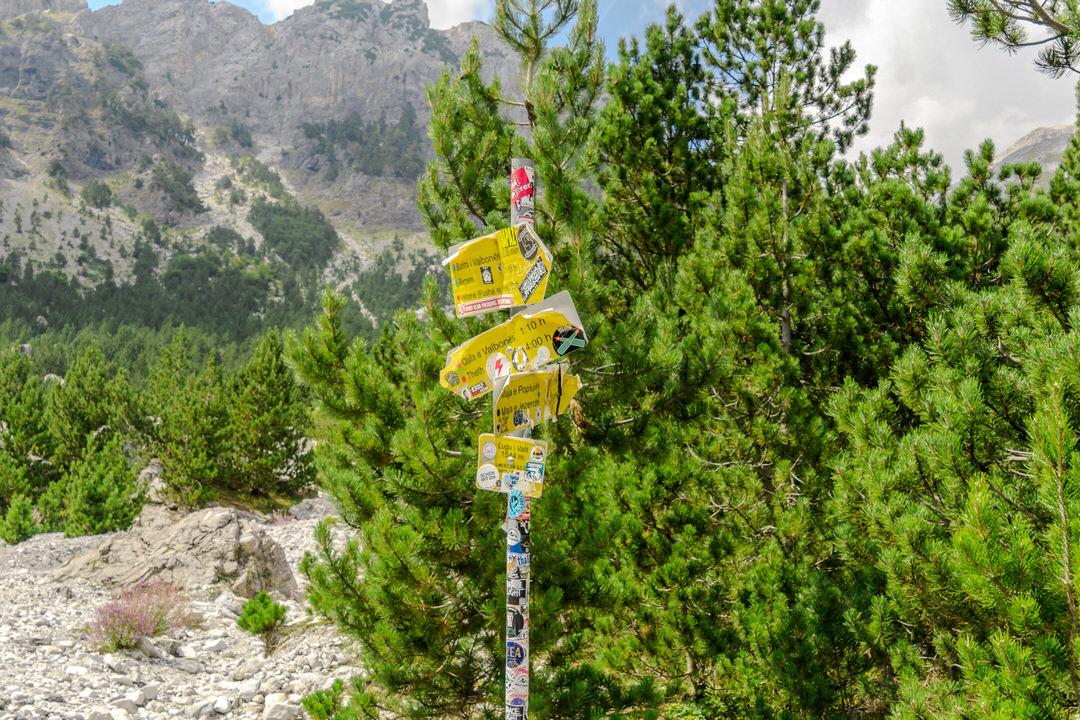
Adventure in Albania splits into three real geographies, and knowing which one you're booking matters more than the activity label. The north is the Albanian Alps around Theth and Valbona — the country's signature hike is the 15km pass crossing between the two villages, 5–7 hours over the 1,817m Valbona Pass, reached by the Komani Lake ferry rather than by road. The south is the Vjosa river and Përmet, where you get rafting on one of Europe's last wild rivers, plus the Bënja thermal pools under an Ottoman bridge and horse treks from Ogdunani village. The coast is Karaburun–Sazani, a peninsula that was a closed military zone until the 1990s, now reached only by boat from Vlora for sea caves and snorkeling. Zip-lines and ATV circuits exist too (Theth has both), but they're add-ons, not the reason to come. The honest lay of the land: this is genuine mountain and river terrain, not a manicured adventure park. Trails are well-marked but real; the ferry and minibus logistics take a full day each way; and cash matters — there are no ATMs past Shkodër in the Alps. Come for the scale and the emptiness, not for polish.
Start by picking the region, then the activity. The Theth–Valbona trek is the headline, and most people walk it Valbona→Theth so the long Komani ferry commute is done first and you finish in the more scenic valley. The pass crossing needs no guide — it's waymarked, solo hikers do it routinely, Maps.me works — but a guide runs about €50/day and guesthouses arrange one. A horse for your pack is also €50. For the Vjosa, rafting runs half-day to two days out of Përmet; the thermal baths and gliko tastings pair well on the same base. Karaburun is a boat day-trip from Vlora (roughly 10:00–18:00), not a hike you can just walk onto. Two common mistakes: booking the overland Tirana→Bajram Curri→Valbona drive (a dangerous single-lane mountain road — take the ferry instead), and assuming cards work up north. Withdraw all your cash in Shkodër or Kopliku first; nothing past there is reliable. Check whether transfers and guesthouse nights are included — many listings are the activity only.
When to go
June to September is the working window for the Alps, full stop. The Valbona Pass holds snow into May and sometimes early June, and people have died attempting it in April and May — valley temperatures are misleading, the pass is far colder. The Komani ferry runs roughly April 10 to November 2. September is arguably the best hiking month: around 17°C by day, dry trail, golden color, fewer people than the July–August peak, though the two cafés on the pass close by late September. Vjosa rafting and the Bënja thermal pools run summer into autumn. Karaburun boats operate June through October only. Winter closes the high Alps roads almost entirely.