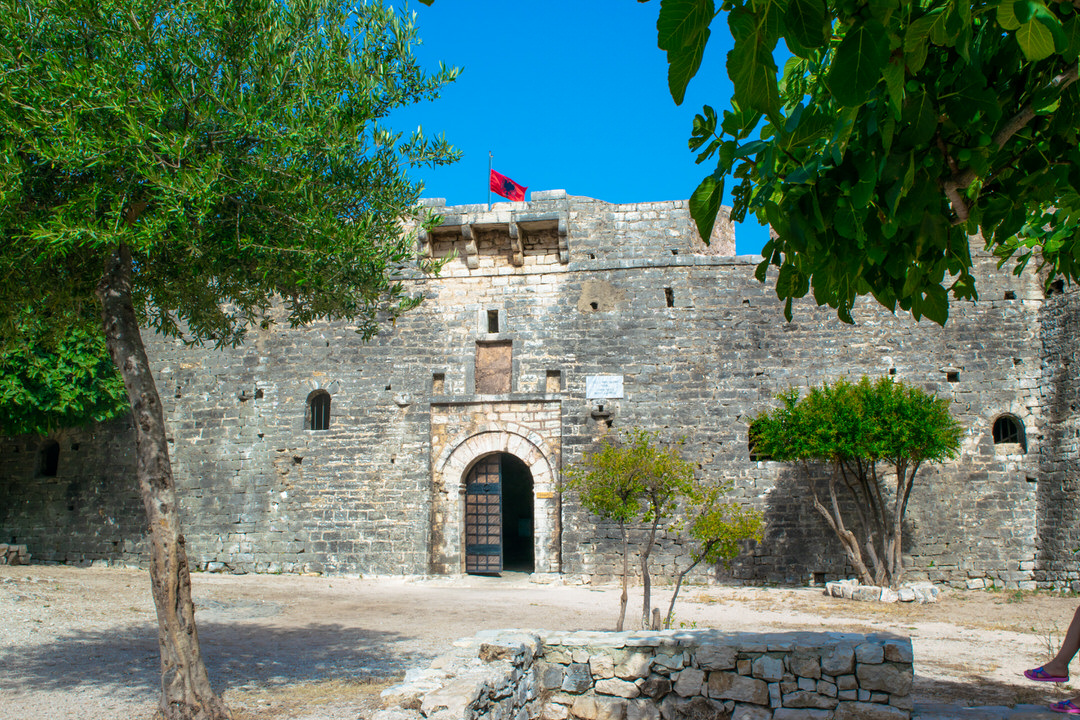
113 tours · page 5 of 5
Castles & Fortresses in Albania and the Balkans
Medieval citadels and Ottoman fortresses — Rozafa above Shkodër, the castle quarter at Berat, Lëkurësi over Saranda.
Castles & Fortresses
113 listed, 24 to a page, ordered by rating and then by price.
-

Tirana: Kruja Castle, Museum, Old Bazaar, Sari Salltik Tour
Discover Kruja on this day trip from Tirana. Walk along a cobblestoned bazaar. Learn about Skanderbeg at the most visited museum in Albania. Marvel at the scenic views at the Sari Salltik shrine
- Duration
- 8 hours
- From
- €29
-

UNESCO Berat Afternoon Tour: Castle, Old City & Eco Park Day Tour
Spend your afternoon in Berat, as the heat of the day fades and a golden light settles over the city. Starting the day, you get picked up by the guide anmd start the short drive to Berat. Upon arrivi…
- Duration
- 7-8 hours
- From
- €48
-

Relax in Benja Springs explore Blue Eye and Lekursi From Saranda
Escape into the heart of Southern Albania on this unforgettable full-day journey combining nature, history, and breathtaking landscapes. Relax in the natural thermal waters of the Benja Springs, surr…
- Duration
- 9 hours
- From
- €69
-

Preza castle tour
Preza is located between Tirana, Durres and Rinas Airport. It has a castle - therefore possessing tourist attraction potential. It has a great wealth in natural resources, with a great diversity rega…
- Duration
- 3 hours
- From
- €68
-

Gjirokaster Day Tour UNESCO City Castle and Stone Houses
Authentic local insight from passionate, certified guides Exclusive access to Gjirokastër’s hidden gems like Skenduli House and the Cold War Tunnel, often missed by standard tours A thoughtful bl…
- Duration
- 10 hours
- From
- €65
-

Këlcyrë Hike to Ali Bej Castle Uji i Zi Spring and Monastery
Step into the wild beauty of Këlcyrë on a journey that blends history, nature, and unforgettable views. This experience begins with a visit to the ruins of Ali Bej’s Castle, where you’ll explore the…
- Duration
- 3-4 hours
- From
- €35
-

Kruja Castle and Old Bazaar Tour
Located 20 miles north of Tirana, Kruja is a historic Albanian city celebrated for its rich cultural heritage and status as the birthplace of national hero Skanderbeg. Top attractions: Kruja Castle:…
- Duration
- 5 hours
- From
- €85
-

Bovilla Lake and Kruja Castle Tour
Perfect for culture lovers, adventure seekers, and travelers with limited time, this full-day tour offers a rich and immersive experience into Albania’s history, nature, and traditions. It begins at…
- Duration
- 9-10 hours
- From
- €74
-

Experience Gjirokaster Like a Local:Castle Bazar dessert included
Guided by local experts, authentic Gjirokastër experience with dessert tasting and free time included.
- Duration
- 6-7 hours
- From
- €140
-

Tirana Petrela Castle and Zipline Adventure
A blend of history and adventure awaits with this half-day excursion from Tirana. After a convenient pickup, head to the picturesque village of Petrela, where the medieval Petrela Castle stands proud…
- Duration
- 2-3 hours
- From
- €22.21
-

Gjirokastër Blue Eye Lekursi Castle Full-Day Cultural Tour
At Blue Line Travel, we don’t just offer a sightseeing trip — we deliver a well-organized, authentic Albanian experience designed especially for cruise and port visitors. Here’s what makes our tour…
- Duration
- 7-8 hours
- From
- €74
-

From Sarande:Butrint , Blue Eye and Lekursi Castle Tour
Discover the best part of southern Albania in one unforgettable day, combining history, culture, and breathtaking nature. This experience takes you through the ancient wonders of Butrint National Par…
- Duration
- 4-6 hours
- From
- €69
-

Kotor Off road buggy adventure: mountains, fortresses & vistas
Ride through breathtaking landscapes, rugged mountain trails, and historic fortresses in our unique 4x4 vehicles. Experience stunning panoramic views of the UNESCO-listed Bay of Kotor, one of the wor…
- Duration
- 3 hours
- From
- €310
- Rating
- 5.0 (19)
-
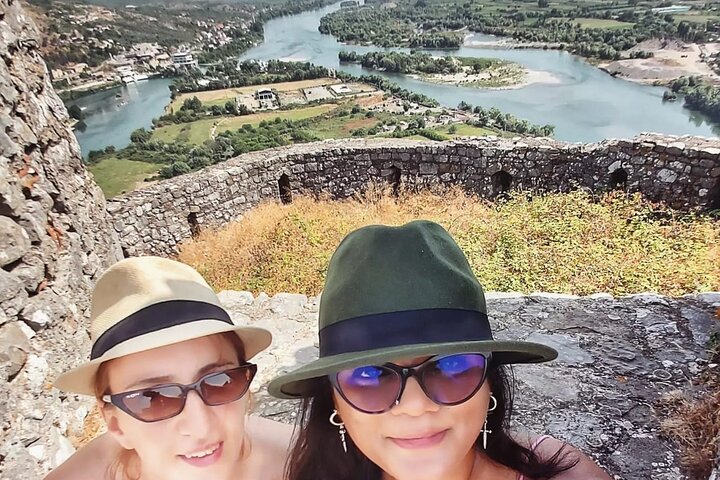
Short tour to Albania from Podgorica , Shköder town and Rozafa
This is a short experience if you want to put one more country on your list. Just one hour and 15 minutes from Podgorica, there is a Shkoder town in Albania with rich history. We are going to walk on…
- Duration
- 5-6 hours
- From
- €160
- Rating
- 5.0 (7)
-

ALBANIA tour - Rozafa, Skadar lake, Niagara waterfalls, Shkodra
Explore Albania in One Amazing Day! Join us for a day full of unforgettable experiences! Start with a visit to the beautiful Montenegrin "Niagara Falls," then we will travel to Albania and explore t…
- Duration
- 6-9 hours
- From
- €120
- Rating
- 4.2 (11)
-

Abandoned Fortresses of the Bay of Kotor with Olive Oil Tasting
Explore the hidden military landscape of the Bay of Kotor on a journey through the Austro-Hungarian fortification system built in the 19th century to protect one of the Adriatic’s most strategic nava…
- Duration
- 6 hours
- From
- €963
-

Vranovo Hill and Saint Andrew Fortress Hiking Tour
Vranovo hill is located outside of Perast in Boka Kotorska bay. The top of Vranovo hill - Fortress St. Andrew is one of the most beautiful views of the Montenegrin coast, overlooking the Kotor Bay. S…
- Duration
- 4-5 hours
- From
- €232.5
Showing 0 of 113tours
Run castles & fortresses tours? List them on AlbaniaVisit.
Reach 20,000+ travellers a month planning their Albania trip. Keep 75% of every booking — 25% commission against Viator's and GetYourGuide's 30%, paid in euros to your bank weekly, no listing fee.
Other kinds of day out
-
Adventure Tours
Canyoning, rafting, zip-lines and multi-activity days across the Balkan interior, run by operators who work these routes weekly.
-
Hiking & Trekking
Day walks and multi-day treks through the Albanian Alps, the Dinaric ranges and the national parks, with local guides on the trail.
-
Cultural Tours
Castles, UNESCO sites, Ottoman quarters and village workshops, with the history explained by people who grew up with it.
Gallery
More Castles & Fortresses
Choosing a Castles & Fortresses tour
Albania's castles aren't roped-off monuments — most are lived-in hilltops you walk straight into, often for the price of a coffee. That's the appeal, and it's worth understanding before you book a tour. Five stand out. Rozafa above Shkodra was the last fortress in Albania to fall to the Ottomans (January 1479); its three courtyards look across Lake Shkodra to Montenegro, and there's a lime trickle on the wall where locals believe a woman named Rozafa was walled in alive to hold the ramparts up. Berat's Kalaja is one of the few inhabited castles in the Balkans — several hundred people still live inside the walls among eight surviving medieval churches, and entry is about 100 lek. Gjirokastra's citadel is mostly Ali Pasha's 1811 stonework, with unlit vaults, a WWII Fiat tank and a jet the regime displayed as a captured "American spy plane." Kruja is Skanderbeg's castle, where he raised the double-headed eagle in 1443, reached through a cobbled souvenir bazaar. Lëkurësi, above Saranda, is more a panoramic hilltop-with-a-restaurant than a monument. Together they're the spine of any culture-focused Albania trip.
Start by deciding what a tour actually buys you, because most of these castles are self-guided and cheap to enter — you're paying for transport and context, not access. Kruja is the easy one: under an hour from Tirana airport, so it works as a first or last day, ideally paired with tiny Preza Castle right by the runway. Berat and Gjirokastra are both UNESCO stone cities and deserve a proper stop, not a drive-by — the "castle" is really a full old town of cobbled quarters, museums and Ottoman houses. They sit about 2.5–3 hours apart on the southern circuit; Gjirokastra to Saranda (for Lëkurësi) is roughly an hour. Rozafa is a stiff climb well outside Shkodra's center — with a car it's simple, otherwise take a taxi up and walk down. Common mistakes: trying to do Berat as a Tirana day trip (there's too much, and the last bus back leaves mid-afternoon), and expecting Gjirokastra's famous Zekate and Skenduli houses to keep set hours — they don't; the families living next door open them when they're around.
When to go
Late April to June and September into October are the sweet spot — warm, clear, and far thinner crowds than midsummer. July and August get genuinely hot; the climb up to Berat's or Rozafa's walls at midday is brutal, so go early morning or after 5pm, which is also the best light for photos. Spring is green and quiet but some museum hours are shorter and a few village-house museums can be hit-or-miss. Winter is atmospheric and nearly empty — the stone cities look striking under low sun — but it's cold in the castles, some hotels reduce service, and the Ethnographic-type museums switch to shorter winter hours. Avoid banking a whole trip on one specific house museum opening on a given day, in any season.